Meta Quest 3S 128GB | VR Headset
HTC Vive Focus Vision
Best Vr Headset Buying Guide — Black Friday Deals 2026
A VR headset purchase starts with the way you expect to use it, then narrows to the specifications that matter for that routine. This guide compares three distinct configurations: two Meta Quest models and the HTC Vive Focus Vision. Their listed storage, display information, battery details and interaction-related features offer different points to consider, but none alone determines what will suit you. During Black Friday, compare the exact model and configuration shown in the offer rather than relying on a headline or product-family name. The aim is to match the headset’s stated details to your plans, and to leave room for questions the listing does not answer.
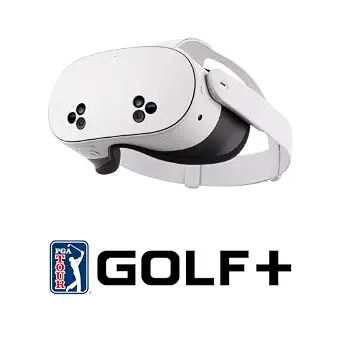
Meta Quest 3S 128GB | VR Headset
Best Budget is an editorial choice for this 128 GB standalone configuration, not a claim that it is the lowest-priced headset or the best value in every Black Friday offer. Its listed standalone platform gives shoppers a clear starting point when considering a headset without making a separate computer part of the stated setup. Oculus OS is the listed operating system. If your first priority is a self-contained VR option, those details may make this model a useful first comparison. Check that the exact listing is for the 128 GB version, especially when Black Friday pages show more than one configuration under a shared product family.
The display is listed at 1832 x 1920 per eye, and the field of view is 110 degrees. These are useful figures to compare with your preferences, not a promise about how a particular person will experience the headset. The stated average battery life is 2.5 hours, so think about whether that figure fits the sessions you have in mind and how you would plan around power. It is not a reason to assume every session will last that long. For Black Friday, weigh the storage, standalone platform, display details and battery information together; do not let a single headline figure stand in for the configuration you intend to buy.
This option’s clearest decision point is the combination of a standalone platform and 128 GB of storage. Consider what you would want installed or available before treating that capacity as a fit; the listing does not establish how much space a particular use plan will require. If display detail or a listed refresh rate is central to your choice, compare the information available for the other models rather than filling in specifications that are not stated here. As you review a Black Friday offer, verify the model name and storage variant, then decide whether the listed details answer your own priorities. Best Budget is a practical shortlist label, not evidence of a current discount or a market-wide ranking.
Key specs
| Storage | Memory Storage Capacity 128 GB |
| Operating system | Operating System Oculus OS |
| Field of view | Field Of View 110 degrees |
| Battery life | Battery Average Life 2.5 hours |
| Display resolution | Display Maximum Resolution 1832 x 1920 per Eye |
| Platform | VR Operating Platform Compatibility Standalone |
Meta Quest 3 512GB
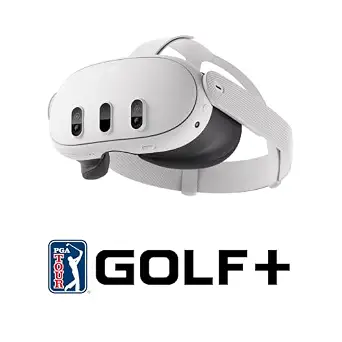
Best Overall is the editorial label for the Meta Quest 3 512GB in this guide. It is a way to identify a broad, useful starting point among these listed options, not the result of a test or a claim that it is right for everyone. The 512 GB capacity may be worth considering if storage is a major part of your shopping decision. Before choosing it, ask what you want the headset to accommodate and compare that plan with the exact configuration on the product page. A Black Friday listing should be checked for the 512 GB model specifically, since a product-family name alone may not make the variant clear.
The stated resolution is 2064×2208 pixels per eye, and the listed refresh rate is 120 Hz. Treat those specifications as comparison points rather than guarantees of a particular experience. For a shopper who wants to compare both display information and storage, this model brings those details together in one listing. Its stated average battery life is 2.2 hours; use that figure as a planning clue, not a guarantee for every session. The connection is USB Type C, and the listed package includes two Meta Quest Touch Plus Controllers with AA batteries included. Those included items are separate from the headset’s storage and display specifications, so consider them as their own part of the package.
This model may suit a shopper who wants a substantial listed storage capacity alongside specific display figures and included controllers. It may be less relevant if those are not the decision points you care about most. Compare the 2.2-hour average battery-life detail with your intended routine, and avoid treating it as a promise about an individual session. During Black Friday, confirm that the offer applies to the named 512 GB version and check which listed package details accompany it. The Best Overall label simply points to this guide’s general-purpose pick among the three; it does not establish superiority for every use, an active promotion, or a lower price.
Key specs
| Storage | 512 GB |
| Display resolution | Resolution 2064×2208 pixels per eye |
| Refresh rate | Display Refresh Rate in Hertz 120 |
| Battery life | Battery Average Life 2.2 hours |
| Connection | Connector Type USB Type C |
| Included controllers | 2 Meta Quest Touch Plus Controllers (with AA batteries included) |
HTC Vive Focus Vision
Check Price on Amazon
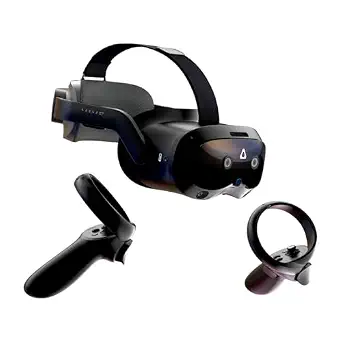
Best for eye tracking and low-light hand tracking is the distinct feature-based label for the HTC Vive Focus Vision. The listing specifically identifies built-in eye tracking and low-light hand tracking, making those details the natural starting point for shoppers curious about those interaction features. This label does not claim measured superiority or guarantee how the features will feel in a particular setting. If either one is important to you, read the product details for the exact configuration and consider what questions you still have before buying. A Black Friday headline should not replace checking that the offer names this model.
The listed display resolution is 2448 x 2448 pixels, with a field of view of up to 120° and a refresh rate of 90 Hz. Storage is 128 GB. Keep the figures in their stated forms when comparing them with other listings, and decide which ones actually affect your choice rather than treating them as a single score. The product also lists scene understanding powered by a depth sensor, as well as a hot-swappable battery. That battery description is a useful point to investigate if power planning matters to you, but it does not by itself specify how long a charge lasts or how a swap works in your circumstances.
This configuration may be a fit for a shopper whose shortlist is shaped by the stated tracking details, depth-sensor-powered scene understanding or hot-swappable battery. Those features are more informative than a general impression drawn from the model name, but the listing facts still leave practical questions for you to resolve. Consider which listed feature would matter in your intended setting, and verify details that are important but not specified here. For Black Friday, confirm the exact model and storage capacity in the offer, then compare its terms with your other shortlisted configurations. The recommendation label highlights a specific feature combination; it is not a claim about performance, price or availability.
Key specs
| Display resolution | 2448 x 2448 pixels |
| Field of view | up to 120° |
| Refresh rate | 90 Hz |
| Storage | 128 GB |
| Tracking | built-in eye tracking and low-light hand tracking |
| Battery | a hot-swappable battery |
| Mixed reality | Scene understanding powered by a depth sensor |
Turn the room and routine into a shortlist
Start by describing the setting in which you expect to use a headset and the kinds of sessions you want to plan. That gives you a more useful filter than beginning with the biggest specification on a page. The Meta Quest 3S is explicitly listed as standalone, which may make that detail important if you want to compare options based on platform. The other supplied facts do not establish whether those models use the same setup, so do not assume they do. Instead, look for the specific platform details you need in each exact product listing.
Next, decide whether your attention is on storage, display figures, interaction features or power planning. A person comparing storage can put the two Meta Quest configurations and the HTC listing’s capacities side by side, while still asking whether a particular capacity fits their own plans. Someone focused on interaction can begin with the Vive Focus Vision’s stated eye tracking and low-light hand tracking. If you are unsure, write down the two or three details that would change your decision. This prevents a Black Friday banner from turning a browsing session into a choice based on a feature you did not need.
Keep unknowns visible. A missing detail in the information here is a reason to check the listing, not proof that a product lacks that feature. Likewise, a stated specification does not settle comfort, personal preference or every use requirement. Treat the shortlist as a set of questions: which configuration matches the setup you want, what feature is most useful to you, and which details still need confirmation? Black Friday is a sensible moment to compare listings, but the purchase decision should still follow your intended use.
Read display figures as separate comparison clues
The display information across these options appears in different forms, so compare each detail in its original context. The Quest 3S listing gives a maximum resolution of 1832 x 1920 per eye and a 110-degree field of view. The Quest 3 lists 2064×2208 pixels per eye and a 120 Hz refresh rate. The Vive Focus Vision lists a resolution of 2448 x 2448 pixels, a field of view of up to 120°, and a 90 Hz refresh rate. Those are the stated figures; they do not amount to a complete account of someone’s experience.
Ask which question you want a figure to answer. If you are comparing resolution, keep the way each listing presents that specification in view. If field of view matters to you, note that the Vive wording includes “up to.” A refresh-rate figure is another distinct point of comparison, not a substitute for resolution or a guarantee of a specific impression. Avoid combining unlike details into a personal score unless you have a reason to give one factor more weight.
For a Black Friday decision, make a small comparison using only information that appears for the exact model you might buy. Mark an unavailable detail as unknown instead of filling the gap with an assumption. Then consider whether the stated display figures meaningfully affect your own shortlist. This approach keeps the comparison grounded and makes it easier to spot when a product page or offer refers to a different configuration.
Give storage a purpose before picking a capacity
Capacity matters most when you can connect it to a plan. The listed options include 128 GB on the Quest 3S, 512 GB on the Quest 3, and 128 GB on the Vive Focus Vision. Those figures distinguish the configurations, but they do not say how much space your intended use will need. Think about what you want to keep on the headset and whether you expect your needs to change. If you cannot identify a storage requirement, avoid choosing on capacity alone.
The Quest 3’s 512 GB listing may attract someone for whom a larger stated capacity is an important consideration. That does not automatically make it the right choice, just as a 128 GB model is not automatically inadequate. The practical question is fit: does the exact capacity line up with your expectations, and are there other features that matter more? For the Vive Focus Vision, compare its storage with the specific tracking and scene-understanding details that may have prompted your interest.
During Black Friday, read the storage figure alongside the complete product name and variant shown in the offer. A tempting headline is not enough to confirm which capacity it covers. Avoid assuming that a product-family page, accessory bundle or neighboring listing represents the same configuration. Once you have verified the variant, judge the capacity in relation to your own plans rather than treating it as shorthand for value.
Make power planning specific to the listed information
Battery details are not presented in the same way for all three products. The Quest 3S lists an average battery life of 2.5 hours, and the Quest 3 lists an average of 2.2 hours. The Vive Focus Vision is described as having a hot-swappable battery, but the supplied information does not give an average battery-life figure for it. Keep those distinctions clear: an average-life figure and a battery-swap description answer different questions.
Use the figures as planning information rather than guarantees. Think about how long you would like a session to last, whether you would take breaks, and what power-related details you still need confirmed. Do not assume that a stated average will match every use, or infer a runtime from the hot-swappable description. If the way a battery is replaced or managed matters to you, seek the details from the exact listing before treating it as settled.
This can be especially useful when comparing Black Friday offers, because a promotional headline does not resolve a practical power question. Keep a note beside each model: what the listing states, what your routine requires, and what remains unknown. That makes it easier to decide whether a battery detail is a deciding factor or simply one part of the comparison.
Check the Black Friday configuration, not just the headline
A careful offer comparison starts with identity. Confirm the model name and the storage variant shown on the page you intend to buy. The Quest 3S and Quest 3 have different listed capacities, while the Vive Focus Vision is also specified as 128 GB. Make sure the offer’s product details and selected configuration match the item you have been comparing. Do not assume that a headline or a shared product-family page settles the variant.
Then look at the complete offer information available to you. Compare the exact configuration and package details, and verify whether the listed included items match what you expect. For the Quest 3, the supplied information names two Meta Quest Touch Plus Controllers with AA batteries included. If an offer presents a different package description, pause and confirm what applies to that specific listing. The facts provided here do not establish any current discount, seller policy or availability, so those details must be checked directly rather than presumed.
Finally, compare the offer with your shortlist criteria. A Black Friday price claim cannot tell you whether storage, display information, tracking features or battery planning suit your needs. Check that the page identifies the intended product, then weigh the stated features you care about and note any unresolved questions. If an offer’s exact configuration is unclear, clarity is itself a reason to wait before deciding.
Make your Black Friday choice
The strongest choice is the configuration that answers your own practical questions, not the one with the most compelling headline. Use the Quest 3S’s standalone listing, the Quest 3’s storage and included-controller details, or the Vive Focus Vision’s specified tracking and battery features as starting points, depending on what matters to you. Compare display and power information in the forms provided, and keep unknowns separate from confirmed details. When Black Friday arrives, verify the exact model and variant before judging the offer. A deliberate comparison can help you choose with clearer expectations, without treating a promotion or a single specification as the whole decision.