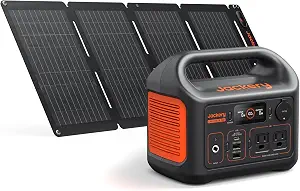
Jackery Solar Generator 300 and 40W Solar Panel
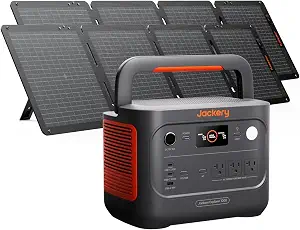
Jackery Solar Generator 1000 v2 and 2x100W Solar Panel,1024Wh LiFePO4
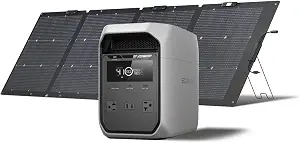
EF ECOFLOW Solar Generator Delta 3 Classic with 220W Solar Panel, 1024Wh
Best Solar Generator Buying Guide — Black Friday Deals 2026
A solar generator decision starts with the jobs you expect it to handle: charging smaller devices, supplying AC power, or keeping equipment connected during an interruption. Capacity, output, ports, and panel details answer different questions, so a headline figure alone cannot settle the choice. The three bundles here range from a compact 292Wh option to two 1024Wh models, with different AC output and solar-panel configurations. For Black Friday, compare the exact product variant and its included components rather than assuming an event label guarantees a particular price or bundle. The guidance below connects each listed specification to practical planning, while leaving runtime, real-world recharge conditions, and other unlisted qualities for shoppers to verify.
Jackery Solar Generator 300 and 40W Solar Panel
For a shopper whose planned loads are modest and whose priority is a compact starting point, this Jackery bundle earns the Best Budget label among the featured choices. Its 292Wh capacity and 300W AC output describe a smaller storage and output class than the two 1024Wh options here. That makes it worth considering for a planned set of lower-demand tasks, such as keeping personal electronics charged or powering a device whose requirements fit within the stated output. It is not a promise of any particular runtime: actual use depends on the equipment and how it is operated. Before a Black Friday purchase, list the devices you intend to connect and check their power needs against the generator’s stated limits.
The listed ports include 2 AC outlets, a 100W USB-C PD port, 2 USB-A ports, and a 120W car port. That spread gives shoppers several connection types to compare with the cables and devices in their own routine. Two AC outlets may suit a plan involving more than one AC-powered item, while the USB ports and car port provide other connection options; confirm that the specific device can use the port and connection you have in mind. The output listing gives 300W rated output (600W peak surge). Keep the regular output and peak surge figures distinct when checking equipment requirements rather than treating the peak figure as a continuous-use allowance.
The bundle name identifies a 40W solar panel, and the battery chemistry is LiFePO4. Those details establish the panel included in this configuration and the chemistry identified for the battery, but they do not by themselves establish a recharge time or a particular service life. A useful Black Friday comparison is to confirm that the offer is for this generator-and-panel combination, then consider whether its stated storage and output match the jobs you actually want covered. If your plan requires greater stated AC output or more stored energy, compare the other listed configurations rather than assuming this smaller option will meet that need. Its Best Budget designation is a guide to its place in this selection, not a claim about a sale price.
Key specs
| Capacity and AC output | 292Wh,300W AC |
| Ports | 2 AC outlets, a 100W USB-C PD port, 2 USB-A ports, and a 120W car port. |
| Rated and peak output | 300W rated output (600W peak surge) |
| Battery chemistry | LiFePO4 chemistry |
Jackery Solar Generator 1000 v2 and 2x100W Solar Panel,1024Wh LiFePO4
Check Price on Amazon
This Jackery is the Best Overall pick among the products in this guide because its listed configuration combines 1024Wh capacity, 1,500W AC output, and two 100W solar panels. Those specifications offer a useful middle ground for shoppers comparing stored energy, AC capability, and included panel equipment in one bundle. They do not predict how long a particular appliance will run; the connected load and operating conditions matter. Begin with the devices you want to support, then check their power requirements against the stated output and think through how much stored energy your plans call for. During Black Friday, verify that the listing is for this exact 1000 v2 configuration and panel bundle before using it as the basis for a comparison.
The AC output is listed as 1,500W, with a 3,000W surge peak. Treat those figures as separate checks: the stated output is the reference for ordinary load planning, while the surge figure identifies a peak capability. Neither figure should be used as a substitute for confirming the requirements of a specific device. The listing also specifies a 10ms UPS switchover. That detail may matter to someone evaluating backup behavior for connected equipment, but it is still important to check whether the equipment’s own requirements and the switchover description fit the intended setup. This specification alone cannot establish how every device will respond during a power interruption.
The bundle includes 2 * 100W Solar Panels, and the listed weight is 23.37 Lbs. Those are practical details to weigh alongside capacity: the panels are part of the configuration to verify, and the weight may matter when deciding where the unit will be placed or how it fits into your plans. No specific recharge time is provided here, so do not infer one from the panel wattage alone. For Black Friday, compare the precise bundle contents and the listed specifications, not just the model name or event branding. The Best Overall label reflects an editorial choice among these three products; it does not establish measured superiority or a market-wide ranking.
Key specs
| Capacity | 1024Wh |
| AC output | 1,500W AC output |
| Surge output | 3,000W surge peak |
| UPS switchover | 10ms UPS switchover |
| Weight | 23.37 Lbs |
| Included solar panels | 2 * 100W Solar Panels |
EF ECOFLOW Solar Generator Delta 3 Classic with 220W Solar Panel, 1024Wh
Check Price on Amazon
Shoppers who put AC capability high on their list can consider this EcoFlow as the Best for Higher AC Output option in this selection. Its listed output is 1800W output (3600W surge), paired with 1024Wh capacity. The output specification makes this bundle relevant to plans involving equipment whose requirements fit within those stated limits; it does not guarantee compatibility or runtime for any particular appliance. Check the equipment label or documentation and consider which devices might run at the same time. The capacity and output answer separate planning questions, so examine both rather than choosing from the larger-looking figure alone. For Black Friday, make sure the offer matches the Delta 3 Classic configuration described here.
The battery is identified as LiFePO4, and the bundle includes a 220W bifacial solar panel. The listing says recharge in just 5.8 hours with a 220W solar panel. Treat that as the stated recharge claim for the described panel pairing, not a universal expectation for every setting or charging situation. If solar recharging is central to your plan, compare the included panel and the stated claim with your own expectations, while recognizing that other conditions are not detailed in the provided specifications. The product also lists a 100W USB-C output, which may be relevant if that output matches the device and connection you intend to use.
A further listed feature is UPS transfer: the unit automatically switches to battery in under 10ms. That gives shoppers a concrete transfer detail to consider when evaluating a backup setup, although it cannot confirm how a specific connected device will behave. Think about the equipment you would leave connected and check its needs before treating any transfer figure as decisive. The Black Friday comparison should cover the exact generator, 220W bifacial panel, output, and transfer details—not simply the event name or a headline offer. The Best for Higher AC Output label explains why this product has a distinct role in this guide: its listed AC output is the key point, not proof that it is the right fit for every household or use.
Key specs
| Output | 1800W output (3600W surge) |
| USB-C output | 100W USB-C Output |
| Battery | LiFePO4 Battery |
| UPS transfer | automatically switches to battery in under 10ms |
| Solar recharging | Recharge in just 5.8 hours with a 220W solar panel. |
| Solar panel | 220W bifacial solar panel |
Turn intended tasks into an energy plan
Start with a short list of the devices you want the generator to support. Note which need AC power and which can use a USB or car connection, then check each device’s requirements against the product details. This simple inventory prevents capacity from becoming the only deciding figure. Capacity describes stored energy, while AC output describes a separate limit; neither alone tells you how long a device will operate. Because the supplied product facts do not give runtime for particular loads, avoid treating a capacity figure as a ready-made duration estimate.
Next, consider whether your plan is occasional charging, support for selected equipment, or backup for items you expect to keep connected. Those are different use cases, and they can lead to different priorities. A smaller set of modest tasks may make the 292Wh Jackery worth evaluating, while a plan needing more stored energy may point you toward the 1024Wh models. This is a way to narrow the list, not a guarantee that a given product will meet every need. During Black Friday, use your task list to compare the exact configurations on offer; do not let event wording replace checking the products’ stated limits.
Read capacity and AC output as separate clues
Capacity and output should have separate places in your comparison. The Jackery 300 bundle lists 292Wh and 300W AC output; the Jackery 1000 v2 and EcoFlow Delta 3 Classic each list 1024Wh, with different AC output figures. These specifications can help establish whether a model belongs on your shortlist, but they do not predict a particular runtime or confirm that an appliance will work. For each item you hope to power, confirm its requirements and consider whether you might use other equipment at the same time.
Surge figures need their own check, too. The Jackery 300 lists 300W rated output (600W peak surge), the Jackery 1000 v2 lists a 3,000W surge peak, and the EcoFlow lists 1800W output (3600W surge). Keep each product’s ordinary output and surge information in its proper context; do not treat a peak value as the normal output allowance. Black Friday listings can present specifications alongside promotional language, so compare the exact model’s figures and the needs of your equipment before deciding. If the requirements are unclear, pause and verify them rather than relying on a broad product category or a headline number.
Decide what the panel bundle establishes
An included panel can make a bundle more relevant to a solar-recharging plan, but panel details should be read as configuration information rather than as a complete forecast. The Jackery 300 bundle names a 40W solar panel; the Jackery 1000 v2 bundle includes 2 * 100W Solar Panels; and the EcoFlow bundle includes a 220W bifacial solar panel. These are useful facts when checking whether the offer contains the panel you expect. They do not establish identical charging conditions or let you calculate a dependable recharge time across different situations.
Only the EcoFlow facts here provide a specific recharge claim: recharge in just 5.8 hours with a 220W solar panel. Keep that qualification attached to the claim, and do not transfer it to the other bundles or assume it describes every real-world setup. Before Black Friday, check that the product page refers to the panel configuration you mean to buy. A generator-only listing and a generator-plus-panel bundle should not be treated as the same offer. Also consider where you expect to use the panel and whether its stated bundle role makes sense for your plans, without assuming unlisted accessories or capabilities are included.
Check connections and backup behavior against your setup
Ports matter only when they match the devices and connections in your plan. The smaller Jackery lists 2 AC outlets, a 100W USB-C PD port, 2 USB-A ports, and a 120W car port. The EcoFlow lists a 100W USB-C output. For the Jackery 1000 v2, the supplied facts here focus on capacity, AC output, UPS switchover, weight, and panel contents rather than a port list. Do not infer a connection is present or absent from that limited information; verify the exact listing if a particular port is essential.
Backup transfer is another distinct question, not a substitute for checking output or connection needs. The Jackery 1000 v2 lists a 10ms UPS switchover, while the EcoFlow says it automatically switches to battery in under 10ms. Those descriptions can help identify products to investigate if transfer behavior matters to your equipment. They cannot establish the response of every connected device, so check the requirements of the equipment and the complete setup. Black Friday comparisons are more useful when you compare this detail only where it is listed and avoid assuming similar behavior for a product whose supplied facts do not mention it.
Make handling and offer details part of the decision
A good choice also has to fit the way you expect to store, place, or move it. The Jackery 1000 v2 has a listed weight of 23.37 Lbs, a concrete handling detail for shoppers who need to account for placement. The supplied facts do not provide weights for the other models, so compare those directly in the product listing if weight affects your decision. Think about where the generator and any panel would be used, but do not assume dimensions, included carrying equipment, or other handling features that are not stated.
Black Friday is a reason to compare carefully, not evidence that a particular discount is active. Check the exact product variant, included panel, and specifications shown in the offer you are considering. A similar model name does not by itself confirm identical contents. Compare like with like: generator and panel bundle against generator and panel bundle, and note whether a recharge claim applies to the configuration described. If the offer details leave an important question unanswered—such as a required port, handling information, or compatibility—verify that detail before purchase. No label in this guide guarantees a price, discount, availability, or seller policy.
Make your Black Friday choice
The right solar generator depends on the equipment you plan to use, the connections it needs, and how much stored energy and AC output your plan calls for. The Jackery 300 offers a smaller stated capacity with a 40W panel; the Jackery 1000 v2 combines 1024Wh with two 100W panels; and the EcoFlow pairs 1024Wh with a 220W bifacial panel and a stated recharge claim. Those differences create distinct comparison points, not universal winners. As Black Friday offers appear, check the exact variant and bundle against your own requirements. Choose only after the specifications you need—and any unanswered questions—are clear.